


lamp | Buying Guide | A gentler glow for evenings you’ll love—Clowas
Moreover, evening lighting is a quiet design tool. It softens edges, reduces harsh contrast, and warms everyday routines. Consequently, a single well-placed lamp can change how a room feels after sunset. Meanwhile, a thoughtful plan also supports focus, rest, and relaxed conversation. Additionally, this guide explores stained glass lamp style, table lamps, table lamps for living room layouts, and desk and desk lamp comfort. Finally, the emphasis stays practical: benefits, best-use scenarios, pairing ideas, and a clear selection path.
What “softer light” means in real rooms
Firstly, soft light is not simply dim light. Instead, it is even light that avoids sharp hotspots. Consequently, surfaces look calmer and shadows feel less severe.
Moreover, diffusion is the main driver. Frosted glass, fabric, and textured materials scatter brightness. As a result, the eye sees glow rather than glare.
Additionally, warmth influences mood. Warmer tones usually feel relaxed in living spaces. Meanwhile, more neutral tones can suit task areas when glare stays controlled.
Then, direction completes the experience. Light aimed toward walls and nearby surfaces feels gentler. Therefore, shade shape and placement matter as much as wattage.
Finally, control reduces stress across the evening. Dimming and multiple light points create flexibility. Consequently, one room can support several moods without changing décor.
Stained glass lamp style: colour, diffusion, and atmosphere
Importantly, a stained glass lamp does more than illuminate. It filters light through colour segments, creating layered warmth. Consequently, the room gains atmosphere without needing extreme brightness.
Why stained glass lamp light feels calmer
Firstly, coloured panels break up the bright point. As a result, the shade rarely reads as harsh. Additionally, the coloured glow lands softly on walls and nearby objects.
Moreover, colour creates “visual warmth” even at moderate brightness. Amber, honey, and warm reds can enrich pale walls. Consequently, the space feels more inviting on grey afternoons.
Meanwhile, stained glass often looks decorative in daylight. The pattern adds personality before switching on. Therefore, the piece contributes to the room for more hours each day.
Best scenarios for stained glass lamp pieces
To begin, stained glass lamp styling works best when the shade is visible. Consequently, open surfaces and clear sightlines are ideal.
Common placements that suit the style include:
-
A console in an entry for a welcoming glow
-
A sideboard to anchor a dining or lounge wall
-
An occasional table beside a sofa or armchair
-
A cabinet top in a bedroom for warm evening ambience
-
A reading nook where mood matters more than brightness
Additionally, stained glass lamp designs often suit rooms with neutral backdrops. As a result, the coloured shade becomes the focal point without competing with patterns.
Pairing colour without visual noise
Moreover, colour pairing becomes easier with repetition. Echoing one shade tone in a cushion edge helps coherence. Similarly, repeating that tone in artwork can feel intentional.
However, busy patterns can compete with stained glass. Therefore, calmer textiles and simple rugs often support the look. Consequently, the lamp reads clearly rather than disappearing into visual clutter.
Shade shape and the kind of glow it creates
Additionally, shape influences distribution and mood:
-
Dome silhouettes often create cosy pools and concentrated ambience.
-
Wider drum silhouettes spread a broader, gentler glow.
-
Tapered silhouettes guide light downward with a cleaner outline.
-
Mosaic-like patterns create the strongest colour play on nearby walls.
Consequently, shape should match the lamp’s role: mood, accent, or support.
Maintenance and long-term clarity
Finally, stained glass lamp care is usually straightforward. A soft cloth removes dust and keeps panels clear. Consequently, colour stays crisp and the glow stays refined.
Table lamps: function, proportion, and placement
Firstly, table lamps bring light closer to people. That proximity creates warmth, comfort, and practical visibility. Consequently, table lamps often become the “everyday” lighting layer.
Moreover, table lamps soften corners and reduce ceiling-light reliance. As a result, the room looks deeper and less flat.
A proportion approach that stays reliable
To start, table lamp height should relate to sightlines. In many seating areas, the shade bottom looks best around seated shoulder level. Consequently, the bulb stays out of direct view.
Additionally, shade width should feel balanced on the surface. A narrow shade can look top-heavy. Meanwhile, an overly wide shade can crowd nearby objects. Therefore, the best choice supports negative space.
Shade materials and what they do
Importantly, shade material changes the “feel” of light.
-
Fabric shades soften edges and reduce contrast.
-
Frosted glass spreads glow evenly and stays calm.
-
Clear glass adds sparkle but can highlight hotspots.
-
Textured glass combines diffusion with visual interest.
Consequently, calm rooms often benefit from diffused materials. Meanwhile, decorative rooms can embrace clearer materials in small doses.
Placement rules that keep surfaces calm
Moreover, table lamps work best with tidy staging. A crowded surface makes the lamp feel accidental. Consequently, a simpler arrangement usually looks more intentional.
Clean surface pairings include:
-
A table lamp + a low tray
-
A table lamp + a small stack of books
-
A table lamp + one sculptural object
-
A table lamp + a single stem vase
Additionally, leaving breathing room around the base helps. As a result, the lamp becomes a calm focal point rather than one object among many.
Where table lamps add the most value
Notably, table lamps shine in areas where overhead light feels harsh.
-
Beside seating for reading and relaxed conversation
-
On consoles to soften hallways and entries
-
Near media units to reduce screen dominance
-
In corners to add depth and reduce “dark pockets”
Consequently, table lamps support both function and atmosphere in the same footprint.
Table lamps for living room layouts: zones, balance, and flow
Importantly, table lamps for living room planning is a layout decision first. The most comfortable rooms use zones. Consequently, light feels distributed rather than concentrated.
Moreover, living rooms often suffer from one bright ceiling source. That approach flattens the space. Therefore, table lamps become the easiest way to add depth.
A simple zone method
Firstly, divide the living room into three lighting zones:
-
Seating zone (sofa, chairs, conversation area)
-
Edge zone (corners, walls, room perimeter)
-
Display zone (console, shelves, sideboard)
Consequently, each zone can receive a gentle glow. Even modest brightness then feels intentional.
Symmetry versus asymmetry
Additionally, symmetry creates calm. Two table lamps on sofa ends look stable and settled. As a result, the room feels orderly.
Meanwhile, asymmetry can feel relaxed and curated. One table lamp near seating can pair with a different light across the room. Consequently, the space looks layered without being rigid.
Using table lamps to soften corners
Moreover, corners control perceived room size. Dark corners make rooms feel smaller. Therefore, a table lamp on a corner unit can expand the sense of space. Additionally, wall bounce makes the glow feel smoother.
Consoles and sideboards as “light anchors”
Notably, a sideboard lamp anchors a wall visually. That anchor helps the room feel grounded. Consequently, the living room looks complete even on low-daylight afternoons.
Additionally, console styling benefits from a three-height idea:
-
one tall element (lamp)
-
one medium element (frame or vase)
-
one low element (tray or book stack)
As a result, the surface looks composed rather than cluttered.
A layering rule that stays easy
Finally, the most repeatable rule is simple: one warm glow per zone. Consequently, table lamps for living room layouts feel balanced without overthinking.
Desk and desk lamp comfort: clarity without glare
Firstly, desk lighting should support attention without creating fatigue. That comfort depends on aim, diffusion, and stability. Consequently, desk and desk lamp choices deserve specific criteria.
Moreover, many workspaces rely on overhead lighting alone. That setup can cause glare and uneven contrast. Therefore, a desk lamp often becomes the main comfort upgrade.
What makes desk light feel comfortable
To begin, aim matters most. Light should land on the work surface, not in the eyes. Consequently, adjustable heads and controlled shades are valuable.
Additionally, glare is reduced when the bright point is hidden. A shaded bulb feels calmer than an exposed bulb. As a result, even a brighter setup can feel comfortable.
Meanwhile, stability supports a calm workspace. A wobbling lamp feels distracting. Therefore, a solid base matters.
Desk placement that reduces reflection
Moreover, screens introduce reflection risk. Poor placement can create hotspots on glossy surfaces. Consequently, desk lamp placement should avoid direct screen bounce.
Practical placements include:
-
behind and slightly to the side of a monitor
-
at the back corner of the desk, angled downward
-
beside shelving, aimed toward the work surface
Additionally, small ambient light elsewhere reduces contrast. As a result, the desk lamp does not feel like a spotlight.
Matching desk lighting to task type
Notably, different tasks prefer different distribution:
-
Writing and paper work benefits from a clear pool of light.
-
Screen work benefits from lower reflections and softer contrast.
-
Creative work benefits from even coverage and stable tone.
Consequently, desk and desk lamp selection should reflect the dominant task, not just style.
Bulbs and brightness: warmth, dimming, and gentle layering
Firstly, brightness feels calmer when spread across multiple sources. One intense source creates harsh contrast. Consequently, a layered plan usually feels more comfortable.
Moreover, bulb warmth shapes the room’s emotional tone. Warm light flatters wood, textiles, and warm finishes. Additionally, it supports relaxed evenings in living spaces.
Dimming as a comfort tool
Additionally, dimming adds flexibility. One table lamp can support reading early evening. Then, later, dimming can soften the mood. Consequently, the same piece works across routines.
If dimming is unavailable, multiple low-brightness sources can help. As a result, the room still feels layered and adaptable.
Shade and bulb interaction
Importantly, shade material interacts with bulb intensity. Clear glass can highlight hotspots. Meanwhile, frosted glass smooths brightness. Therefore, shade choice and bulb choice should be considered together.
Reducing harsh contrast in darker rooms
Finally, dark rooms often feel harsh when only one bright point exists. Adding a second soft source helps the eye adjust. Consequently, the overall space feels calmer without turning brightness down too far.
Materials and finishes: pairing lamps with décor
Firstly, pairing finishes builds cohesion. Repeating a metal tone across a room looks intentional. Consequently, lighting feels like part of the design, not an afterthought.
Moreover, finishes change mood:
-
Brass and warm metals feel classic and inviting.
-
Black metal feels structured and modern.
-
Wood feels soft and natural.
-
Glass feels light, airy, and reflective.
Therefore, selecting a finish becomes a style decision as well as a practical one.
Pairing stained glass lamp colour with common palettes
Additionally, stained glass lamp colour often reads best against neutrals. Cream, warm white, and soft grey backgrounds allow colour to glow. Consequently, the shade becomes the highlight.
Meanwhile, deeper wall colours can look dramatic. The coloured glow becomes jewel-like in darker rooms. As a result, the space feels intimate and layered.
Pairing table lamps with furniture shape
Notably, furniture silhouette affects harmony.
-
Curves pair well with rounded sofas and soft rugs.
-
Clean lines pair well with minimalist shelving and sharp edges.
-
Decorative silhouettes pair well with classic cabinetry.
Consequently, repeating shape language keeps the room calm.
Pairing desk lamps with work furniture
Finally, desks often combine metal and wood. A desk lamp can echo either material. Consequently, the workspace looks coherent and less visually noisy.
Room-by-room guidance
Living room: warmth, depth, and easy conversation light
Firstly, living rooms benefit from layered light across zones. A table lamp near seating supports reading and conversation. Another lamp at an edge adds depth. Consequently, the room feels wider and calmer.
Moreover, table lamps for living room layouts can be built around landmarks:
-
sofa ends for symmetry
-
a sideboard for a wall anchor
-
a shelf corner for depth
Additionally, a stained glass lamp can act as a focal piece. The coloured diffusion adds atmosphere. As a result, the living room feels personal rather than generic.
Bedroom: calmer routines and softer contrast
Secondly, bedrooms often need gentle light for winding down. Table lamps with diffused shades reduce glare. Consequently, the room feels restful.
Meanwhile, stained glass lamp designs add warmth without harsh brightness. Coloured diffusion can soften pale walls. Therefore, a bedside surface can feel more inviting at night.
Hallway and entry: a welcoming first impression
Additionally, entries feel warmer with a soft light source on a console. The glow helps shadows and corners. Consequently, the space feels welcoming instead of stark.
Moreover, stained glass lamp styling adds character by day. The piece reads like décor even without illumination. As a result, the entry looks finished.
Study and home office: controlled aim and balanced contrast
Finally, desk and desk lamp comfort improves when the beam stays controlled. A shaded bulb reduces harsh hotspots. Consequently, focus becomes easier over longer sessions.
Additionally, pairing the desk lamp with a second soft source reduces contrast. As a result, the workspace feels calmer and less fatiguing.
Featured Clowas visuals (4 images from the lamps collection)
1) Colour-rich glass accent for mood and warmth
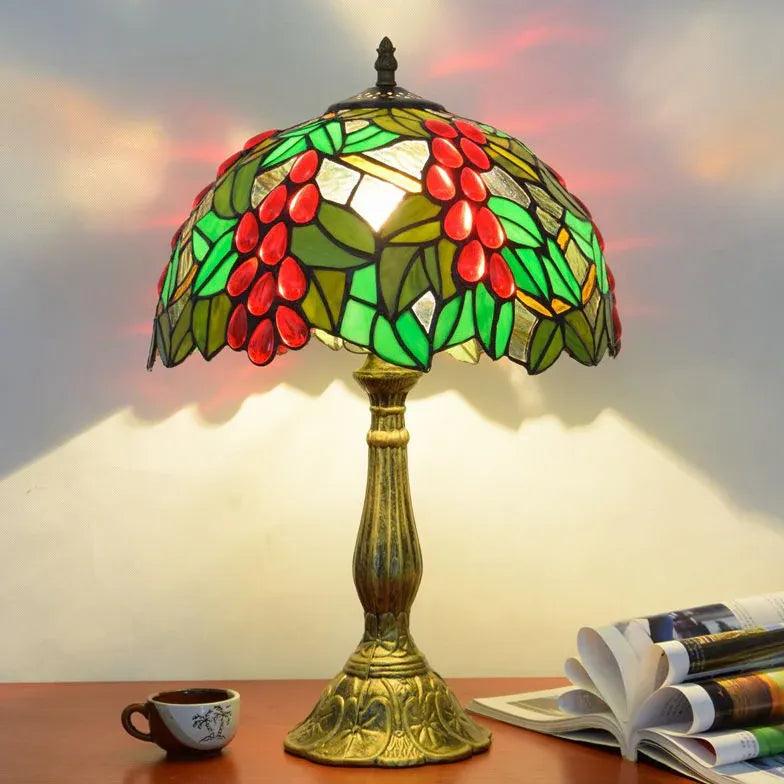
Moreover, a colour-rich glass shade supports stained glass lamp styling goals: warmth, diffusion, and atmosphere.
2) Green-shade desk classic for focused pools of light

Additionally, a shaded form supports desk and desk lamp comfort by reducing direct glare.
3) Minimal glass for calm living-room layering

Meanwhile, clean glass silhouettes can support table lamps for living room layouts that stay airy and balanced.
4) Prismatic accent for sparkle without heavy visual weight

Finally, prismatic textures add highlight and interest while still keeping the footprint compact.
Common mistakes and straightforward fixes
Firstly, relying on one ceiling light creates harsh contrast. The room looks flat and glaring. Consequently, comfort drops even at moderate brightness.
Fix: add two or three smaller sources across zones. Then, walls and corners glow.
Moreover, exposed bulbs often create eye fatigue. The bright point becomes distracting. Consequently, even warm bulbs can feel harsh.
Fix: choose shades that hide the bulb and soften the surface brightness.
Additionally, wrong height ruins comfort. Too low can feel gloomy. Too high can glare. Therefore, height should align with seated sightlines.
Fix: aim for shade bottoms near seated shoulder level in lounge seating.
Meanwhile, cluttered surfaces reduce the lamp’s impact. Too many objects compete visually. Consequently, the lamp looks accidental.
Fix: keep a simple pairing: lamp + one or two supporting objects.
Finally, desk glare often comes from poor placement. Reflection lands on screens and glossy desks. Consequently, focus becomes harder.
Fix: place the lamp to the side and angle the beam down.
A clear selection checklist (repeatable every time)
Step 1: define the role
-
Ambient: gentle background glow
-
Task: reading, writing, focused work
-
Accent: decorative presence and mood
Step 2: match scale to furniture
-
surface size and surrounding objects
-
seated sightline height
-
shade width relative to the base and table
Step 3: choose shade behaviour
-
diffused for calm comfort
-
textured for gentle visual interest
-
clear for sparkle in small doses
-
colour filtering for stained glass lamp ambience
Step 4: plan the room in zones
-
seating zone glow
-
edge zone depth
-
display zone warmth
Consequently, the final layout feels balanced without guesswork.
FAQ
What makes a stained glass lamp feel warm without being overly bright?
Firstly, colour filtering creates visual warmth at moderate brightness. Additionally, segmented glass breaks up hotspots. Consequently, the glow reads gentle and atmospheric.
How many table lamps for living room spaces usually feel balanced?
Generally, one lamp near seating plus one at an edge looks cohesive. Moreover, symmetry is optional. Consequently, repeating shade material or finish often creates unity.
What matters most for desk and desk lamp comfort?
Firstly, aim should land on the work surface. Additionally, the bulb should be hidden from direct view. Consequently, glare reduces and comfort improves.
Do glass shades always create glare?
Not necessarily. However, clear glass can create highlights. Therefore, texture, frosting, and careful placement help. Consequently, glass can still feel calm.
How can stained glass lamp colour avoid clashing with décor?
Firstly, repeat one shade colour elsewhere in a small way. Additionally, keep nearby patterns calmer. Consequently, colour looks intentional rather than noisy.
What is the simplest way to make a living room feel cosier at night?
Firstly, reduce reliance on a single ceiling source. Additionally, place table lamps in zones. Consequently, walls glow and the room feels deeper.
Can desk lighting support an evening mood as well?
Yes, especially with a shade that diffuses brightness. Additionally, lower output reduces contrast. Consequently, the workspace can feel calmer after work hours.
What details matter most when comparing table lamps?
Firstly, shade material shapes comfort and diffusion. Additionally, height affects glare and balance. Consequently, the best choice is role-matched and well-scaled.
Closing notes: a calm glow that stays practical
Moreover, softer lighting comes from small decisions repeated consistently. Diffusion reduces harsh edges. Warmth supports comfort. Layering creates depth. Consequently, stained glass lamp pieces can add atmosphere, while table lamps for living room zones can shape the whole evening mood. Meanwhile, desk and desk lamp choices can support focus when aim and glare control are prioritized.
Finally, a simple starting point is one anchor light placed where it matters most. A well-positioned lamp near seating, a console, or a work surface can shift the entire room’s feel. Additionally, adding one extra soft source per zone keeps the result balanced, calm, and easy to live with.


