


The Science Of Choosing A Table Lamp: How Light Source, Material And Design Affect The User Experience
A table lamp looks like a small decision until you actually live with the wrong one. The light is too sharp for winding down, too weak for reading, too cold for the room, or simply too bulky for the surface it sits on. A good lamp solves all of that quietly. It makes the room easier to use, more comfortable to look at, and more finished after dark.
This guide takes the choice out of the vague “that one looks nice” zone and into something more useful. We are looking at the things that actually change the experience of using a lamp: the light source, the material, the shape, the size, and the practical features that matter once the lamp is on your table every evening.
Most people do not regret buying a lamp because the colour was slightly wrong. They regret it because the light feels wrong in daily life. That is why the best way to choose is not to start with decoration alone. Start with use. Then choose the lamp that gives that use a better atmosphere.
1. Why the light source matters so much
The light source does more than control brightness. It decides whether the room feels restful or alert, flattering or flat, warm or clinical. This is the part of table-lamp shopping that affects the experience most, because you will feel it every evening even if you never think about the bulb again.
LED is usually the easiest modern answer
For most homes, LED is the most practical choice. It is energy-efficient, long-lasting, and flexible enough to suit reading corners, bedside tables, living-room side tables, and work surfaces. It also gives you more control over the tone of the light, which matters far more than people expect once the room is dark.
If you want a lamp that feels easy to live with, LED usually wins because it combines durability with comfort. That is why it makes sense to start with lamps that support LED lights, especially in spaces that get used every day.

A decorative lamp still needs to perform. This feather-style table lamp works because the LED light source keeps the design elegant without making it impractical for regular use.
See ProductQuick buying rule: if you want one lamp to feel useful across more than one situation, reading, unwinding, or adding a soft evening glow, LED is usually the safest place to start.
2. Materials that change the feel of a room
Material is never just about durability. It also changes the emotional temperature of the lamp. A brass lamp can feel grounded and elegant. Glass can feel lighter and more decorative. Wood brings warmth. Marble adds polish and weight. Before the bulb even comes on, the material is already telling the room how to feel.
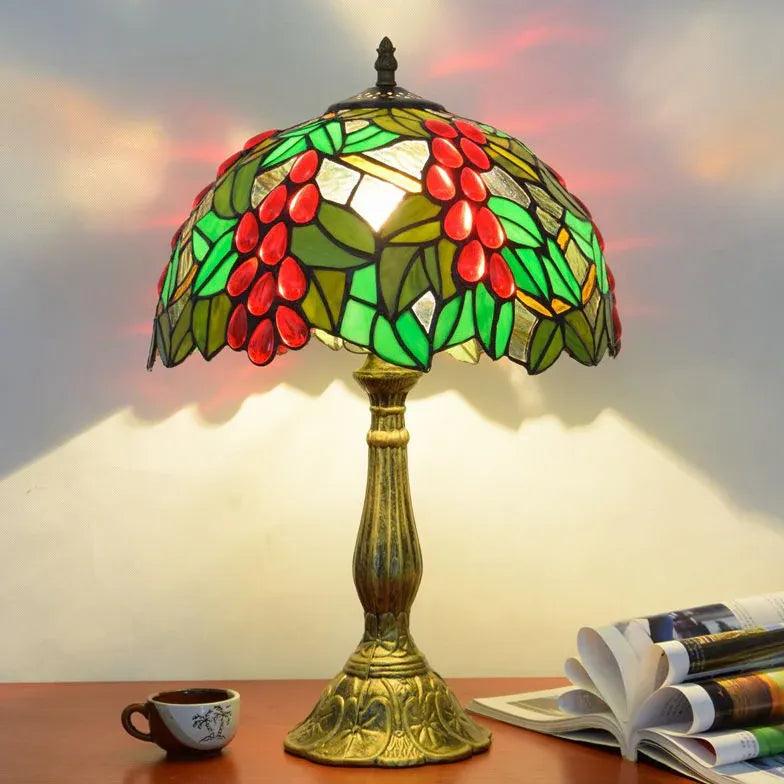
Glass can make a lamp feel lighter and more expressive. This colourful glass design works best when the lamp is allowed to be both a light source and a decorative object.
See ProductAs a simple rule, choose the material according to how hard the lamp needs to work. If it is for a busy family area or everyday desk use, sturdier materials often make more sense. If it is for a styled console or lower-traffic corner, more decorative materials can be worth it.
3. Design: shape, size, and visual balance
People often treat lamp design as pure decoration, but shape and size do practical work too. A wide shade softens the room differently from a narrow one. A tall lamp creates presence. A smaller bedside lamp keeps things quieter. In a compact room, even the right lamp can feel wrong if the proportions are off.
Shape sets the tone
A minimal lamp with a disciplined base feels very different from a playful sculptural piece. That is why shape should match the room’s energy. For a cleaner, calmer interior, simpler forms usually age better. For a more expressive or themed room, character-led designs can work beautifully when the rest of the space is quiet enough to support them.
This is where category browsing helps. If you are comparing a more playful silhouette, animal table lamps are a useful example of how shape can become part of the room’s personality rather than just its lighting.

A playful bedside design works when the shape adds character without making the surface feel cluttered. It is a good example of using form to build mood, not just provide light.
See ProductA simple proportion check: if the lamp is the first thing your eye notices and the table beneath it seems to disappear, it is probably too visually heavy for the spot. A good lamp should feel present, not dominant by accident.
4. Features that improve real-life use
A lamp should not just look good switched off. It should make daily life easier when it is actually being used. That is where features like dimming, rechargeability, portability, and easy placement begin to matter more than pure styling.
- Dimmable settings help one lamp do more than one job. Brighter for reading, softer for winding down.
- Rechargeable designs make sense when you want to move the lamp around the home or use it without committing to one fixed outlet.
- Portable handles or cordless forms can turn a table lamp into a much more flexible everyday object.
- USB-friendly bedside or desk use is practical in tighter spaces where outlet access is limited.

Portable lighting is not only about convenience. It is also about making one lamp useful in more than one setting. A rechargeable design can move from bedside table to shelf to outdoor dinner table far more easily than a fixed corded lamp.
See ProductIf you know the lamp will be moved often, start with rechargeable table lamps. If flexibility matters more than portability, dimmable table lamps are often the smarter route.
5. Choosing by room, not by guesswork
The best lamp depends on where it will live. A living room lamp has a different job from a bedside lamp, a desk lamp, or a portable lamp used indoors and out. Thinking by room usually leads to better choices than thinking by trend.


Placement reminder: the right lamp location should avoid direct glare into the eyes, keep the cable tidy, and make the surface feel more usable rather than more crowded. In other words, the lamp should improve the corner, not just occupy it.
FAQ
What type of light bulb is best for a table lamp?
For most homes, LED is the best choice. It is energy-efficient, long-lasting, and flexible enough to create either warm ambient light or clearer task light depending on the bulb and lamp design.
Which material is most durable for a table lamp?
Brass and marble are among the most durable options, especially in busy areas. Brass offers stability with a timeless look, while marble adds weight and a more polished, luxury feel.
Are glass table lamps too fragile for everyday use?
Not necessarily, but they are usually better in lower-traffic spots or on more stable surfaces. They are best chosen for decorative softness rather than pure practicality.
Should a bedside table lamp be bright or soft?
Usually softer. A bedside lamp should make winding down easier, not harsher. A dimmable lamp or a warm LED setup is often the most comfortable choice.
Are rechargeable table lamps worth it?
Yes, when portability matters. They are especially useful for people who want to move the lamp around the home, use it outdoors, or avoid relying on one fixed outlet position.
A good table lamp should feel right in three ways at once: the light should suit the moment, the material should suit the room, and the design should suit the surface it lives on. Once you choose with those three things in mind, the lamp stops being just an accessory and starts becoming part of how the room actually works.

